

What Is a Tortellinatrice and Why It Matt
A tortellinatrice is a specialized machine designed to produce tortellini—those iconic ring-shaped stuffed pasta pieces that are deeply rooted in Italian culinary tradition. While making tortellini by hand is considered an art form, the tortellinatrice brings efficiency, consistency, and scalability to the process, making it indispensable for commercial kitchens, pasta factories, and even passionate home cooks who want to elevate their pasta-making game.
At its core, the tortellinatrice automates several steps involved in crafting tortellini. These include rolling the dough, cutting it into precise shapes, filling it with stuffing, and folding it into the classic ring shape. What once required hours of meticulous manual work can now be done in minutes without sacrificing quality. This balance between tradition and technology is what makes the machine so fascinating.
The importance of a tortellinatrice goes beyond convenience. It ensures uniformity in size and filling distribution, which is crucial for both cooking consistency and presentation. In professional settings, where volume and quality must go hand in hand, this machine becomes a cornerstone of production.
The Evolution of Tortellini Making
Before machines like the tortellinatrice existed, tortellini were crafted entirely by hand. This process involved rolling out thin sheets of pasta dough, cutting them into small squares, adding filling, and carefully folding each piece into its signature shape. This tradition is still alive in many Italian households and artisanal kitchens, where the emphasis is on craftsmanship and authenticity.
However, as demand for fresh pasta grew globally, especially in restaurants and food businesses, manual production became less practical. The need for speed and consistency led to the development of early pasta machines. These machines initially focused on basic tasks like rolling and cutting dough, but over time, they evolved to handle more complex operations such as filling and shaping.
The modern tortellinatrice is the result of decades of innovation. Today’s machines are capable of producing thousands of perfectly shaped tortellini per hour. Despite this technological advancement, many manufacturers still design their machines to replicate the look and feel of handmade pasta, ensuring that tradition is not lost in the process.
How a Tortellinatrice Works
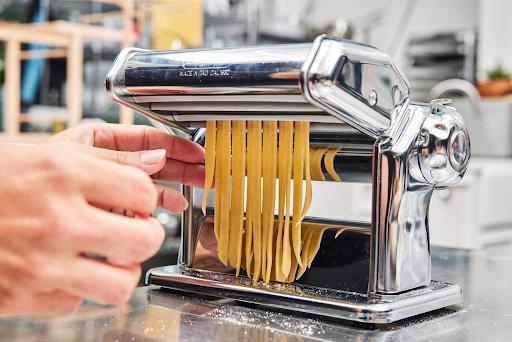
Understanding how a tortellinatrice works helps you appreciate its engineering. The process begins with feeding pasta dough into the machine. The dough is typically prepared beforehand to achieve the right consistency and elasticity. Once inside, the machine rolls the dough into thin sheets of uniform thickness.
Next comes the filling stage. The tortellinatrice uses a filling mechanism to deposit precise amounts of stuffing onto the dough. This filling can vary widely, from cheese and spinach to meat or even more creative modern combinations. Accuracy at this stage is critical to ensure that each tortellino has the perfect balance of dough and filling.
Finally, the shaping mechanism folds the dough around the filling and forms the iconic ring shape. Advanced models use molds or rotating components to achieve this. The finished tortellini are then ready for cooking or packaging. The entire process is continuous, efficient, and designed to minimize waste.
Types of Tortellinatrice Machines
There are several types of tortellinatrice machines available, each catering to different needs and scales of production. The most basic type is the manual or semi-automatic machine. These are often used by small restaurants or home cooks who want more control over the process. They require some level of manual input but still significantly reduce effort.
Commercial tortellinatrice machines are designed for medium-scale production. These machines are fully automatic and can handle larger volumes while maintaining high quality. They are commonly found in restaurants, catering businesses, and small pasta production units.
At the top end are industrial tortellinatrice machines. These are built for large-scale production and can produce thousands of tortellini per hour. They often come with advanced features like programmable settings, multiple filling options, and integrated quality control systems. Choosing the right type depends on your production needs, budget, and level of expertise.
Benefits of Using a Tortellinatrice
One of the biggest advantages of using a tortellinatrice is efficiency. What would take hours to do by hand can be accomplished in a fraction of the time. This is especially important in commercial settings where time is money and demand can be unpredictable.
Consistency is another major benefit. When making tortellini manually, even skilled chefs may produce pieces that vary slightly in size or filling. A tortellinatrice eliminates this variability, ensuring that every piece is identical. This not only improves cooking results but also enhances presentation, which is crucial in the food industry.
Additionally, the machine reduces physical strain. Making tortellini by hand can be labor-intensive, especially when producing large quantities. By automating the process, the tortellinatrice allows chefs and workers to focus on other aspects of food preparation, such as creating new recipes or improving overall quality.
Choosing the Right Tortellinatrice
Selecting the right tortellinatrice involves considering several factors. First, think about your production volume. If you’re a home cook or run a small kitchen, a compact or semi-automatic machine may be sufficient. For larger operations, investing in a fully automatic or industrial model is more practical.
Another important factor is the type of filling you plan to use. Some machines are better suited for certain fillings, especially those with specific textures. Make sure the machine you choose can handle your preferred recipes without compromising quality.
Finally, consider ease of use and maintenance. A good tortellinatrice should be user-friendly and easy to clean. Machines with detachable parts and simple controls are generally more convenient. While price is always a consideration, it’s often worth investing in a high-quality machine that will last longer and deliver better results.
Maintenance and Best Practices
Keeping your tortellinatrice in top condition is essential for consistent performance. Regular cleaning is crucial, especially since the machine handles both dough and filling. Residue buildup can affect both hygiene and functionality, so it’s important to clean all components thoroughly after each use.
Lubrication and periodic inspection are also important. Moving parts should be checked regularly to ensure they are functioning smoothly. Any signs of wear or damage should be addressed immediately to prevent bigger issues down the line.
It’s also a good idea to follow the manufacturer’s guidelines for operation and maintenance. Proper usage not only extends the life of the machine but also ensures that you get the best possible results every time you use it.
The Future of Tortellinatrice Technology
The world of pasta-making technology continues to evolve, and the tortellinatrice is no exception. Modern machines are becoming increasingly advanced, with features like digital controls, automation, and even AI-assisted optimization. These innovations are making it easier than ever to produce high-quality tortellini at scale.
Sustainability is another area of focus. Manufacturers are designing machines that minimize waste and energy consumption, aligning with the growing demand for eco-friendly practices in the food industry. This not only benefits the environment but also reduces operational costs.
Looking ahead, the tortellinatrice is likely to become even more versatile. Future models may offer greater customization options, allowing users to experiment with different shapes, sizes, and fillings. This opens up exciting possibilities for both traditional and modern cuisine.
Conclusion: Why the Tortellinatrice Is a Game-Changer
The tortellinatrice represents a perfect blend of tradition and innovation. It takes a time-honored culinary practice and enhances it with modern technology, making it accessible, efficient, and scalable. Whether you’re a professional chef, a business owner, or a passionate home cook, this machine can transform the way you make tortellini.
By understanding how it works, the different types available, and how to maintain it properly, you can make an informed decision and get the most out of your investment. In a world where quality and efficiency are equally important, the tortellinatrice stands out as a true game-changer in the art of pasta making.