
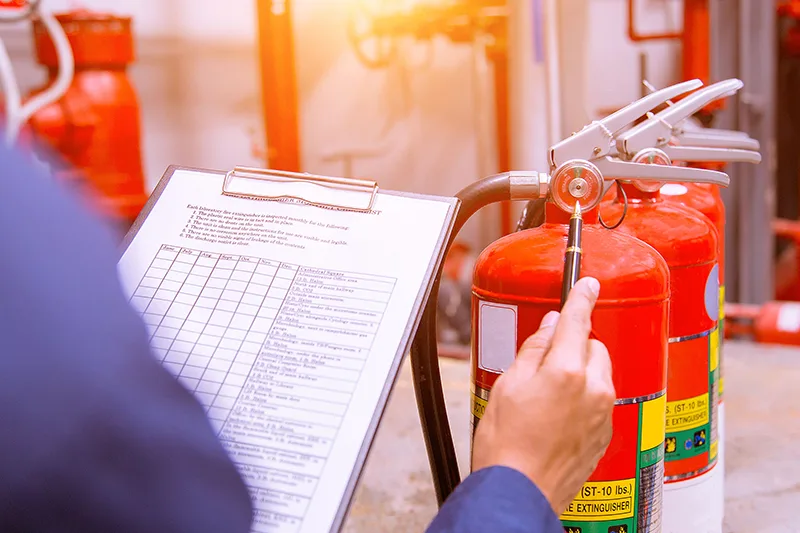

Skipping a fire risk assessment London is one of the most common and costly mistakes landlords and property managers make. It is not just a paperwork issue. It directly affects tenant safety, legal compliance, and the financial stability of a property investment. In London, where buildings range from converted flats to large HMOs, fire risks vary widely and require proper evaluation.
A professional fire risk assessment services review identifies hazards, evaluates escape routes, and ensures fire protection systems are working correctly. Without it, small issues like door gaps, faulty alarms, or blocked corridors can quickly become life-threatening risks. For landlords, the consequences can include fines, invalid insurance, or even prosecution under UK fire safety law.
Why Fire Risk Assessments Are Legally Required in London
Under the Regulatory Reform (Fire Safety) Order 2005, the responsible person must ensure that a suitable fire risk assessment is carried out and kept up to date. This applies to:
- HMOs
- Blocks of flats with communal areas
- Commercial premises
- Mixed-use buildings
For example, a landlord managing a block of flats in South London is responsible for shared staircases, corridors, and entrance lobbies. If a fire starts and spreads due to poor maintenance or lack of assessment, liability falls directly on them.
Recent enforcement trends show that London councils are becoming stricter. Fines can reach tens of thousands of pounds, and in serious cases, landlords can face criminal charges.
What Happens When Fire Risk Assessments Are Ignored
1. Increased Risk to Life
Fire spreads rapidly, especially in older London properties with timber structures or poor compartmentation. Without a fire safety risk assessment, common issues go unnoticed:
- Missing or faulty smoke alarms
- Non-compliant fire doors (FD30)
- Poorly maintained escape routes
A simple 3mm gap in a fire door can compromise its ability to contain smoke and flames.
2. Legal and Financial Penalties
Failing to carry out a fire risk assessment for rental property can lead to:
- Enforcement notices
- Prohibition notices (property cannot be occupied)
- Unlimited fines
- Criminal prosecution
In London, enforcement cases have increased significantly in recent years, particularly for HMOs. In many cases, landlords also struggle to obtain or maintain a valid Landlord Safety Certificate London, which can impact tenancy agreements and overall compliance.
3. Insurance Becomes Invalid
Most insurance policies require compliance with fire safety laws. If a fire occurs and no valid fire risk assessment London is in place, insurers may refuse to pay out.
This can leave landlords covering:
- Property damage
- Tenant compensation
- Legal costs
4. Failed Property Inspections and Delays
Property managers often face delays in lettings or sales due to missing compliance documents. A missing block of flats fire risk assessment can:
- Delay tenancy agreements
- Affect mortgage approvals
- Reduce property value
Common Issues Found During Fire Risk Assessments
A professional inspection often reveals recurring problems across London properties.
| Issue Identified | Risk Level | Typical Fix Cost (£) |
| Faulty or missing smoke alarms | High | 80 – 150 per unit |
| Fire door gaps and seals | High | 120 – 400 per door |
| Blocked escape routes | High | Minimal (management) |
| Outdated fire alarm systems | Medium | 300 – 1,500+ |
| Poor signage and lighting | Medium | 100 – 300 |
These issues are often inexpensive to fix early but become costly if ignored.
Residential vs Commercial Fire Risk Assessments
Residential Fire Risk Assessment London
Covers:
- Communal areas in flats
- HMOs
- Shared access points
Focus is on protecting occupants and ensuring safe evacuation.
Commercial Fire Risk Assessment London
Covers:
- Offices
- Shops
- Warehouses
Includes staff safety, customer safety, and operational risks.
Both require tailored assessments based on building use and layout.
Real London Scenario: What Can Go Wrong
A letting agent in East London managed a converted house with five tenants. No fire risk assessment for HMO had been carried out. During a routine council inspection:
- Fire doors were non-compliant
- No emergency lighting was installed
- Smoke alarms were outdated
The result:
- £12,000 fine
- Mandatory remedial works
- Temporary tenant relocation
This situation is not uncommon and shows how quickly costs escalate.
Market Data and Compliance Insights
- London Fire Brigade attends thousands of residential fires annually, many linked to electrical faults or lack of early detection
- A significant percentage of HMOs fail initial fire safety inspections due to poor fire door compliance
- Local authorities have increased enforcement activity under the Fire Safety Act 2021 and Building Safety Act 2022
Things to Consider Before Making a Decision
Before arranging a fire risk assessment London, property owners should consider:
- Type of property: HMO, flat, or commercial
- Size and layout of the building
- Existing fire safety measures
- Previous inspection reports
- Frequency of tenant turnover
Choosing a qualified assessor is essential. Poor-quality assessments can lead to missed risks and future liabilities.
Common Questions from Landlords
How often should a fire risk assessment be updated?
Usually every 1–3 years, or sooner if there are changes to the property.
Is it required for small buildings?
Yes, if there are shared areas or multiple occupants.
Can landlords do it themselves?
Only if they are competent. Most rely on professionals.
Expert Tips to Reduce Risk and Costs
- Fix minor issues early. Small repairs are far cheaper than full replacements
- Keep clear records of inspections and maintenance
- Combine services such as EICR and fire risk assessment to save time and cost
Frequently Asked Questions
Is a fire risk assessment mandatory in London?
Yes, for all buildings with shared or commercial spaces under UK fire safety law.
What is included in a fire risk assessment?
Inspection of fire hazards, escape routes, alarms, signage, and overall fire safety management.
How much does a fire risk assessment cost in London?
Typically ranges from £79 to £299 for smaller residential properties, and higher for larger or commercial buildings.
What happens if a property fails?
Remedial works must be completed before compliance is achieved.
Do flats need fire risk assessments?
Yes, especially communal areas in blocks of flats.
Conclusion
Ignoring a fire risk assessment London is not just a compliance issue. It exposes landlords and property managers to serious safety risks, financial losses, and legal consequences. In a city like London, where property types and occupancy levels vary widely, professional assessments are essential for protecting both people and investments.
Meta Title (60–65 characters)
Fire Risk Assessment London | Hidden Risks Landlords Ignore
Meta Description (150–160 characters)
Discover the hidden risks of skipping a fire risk assessment London. Learn legal consequences, costs, and how landlords can stay compliant.