
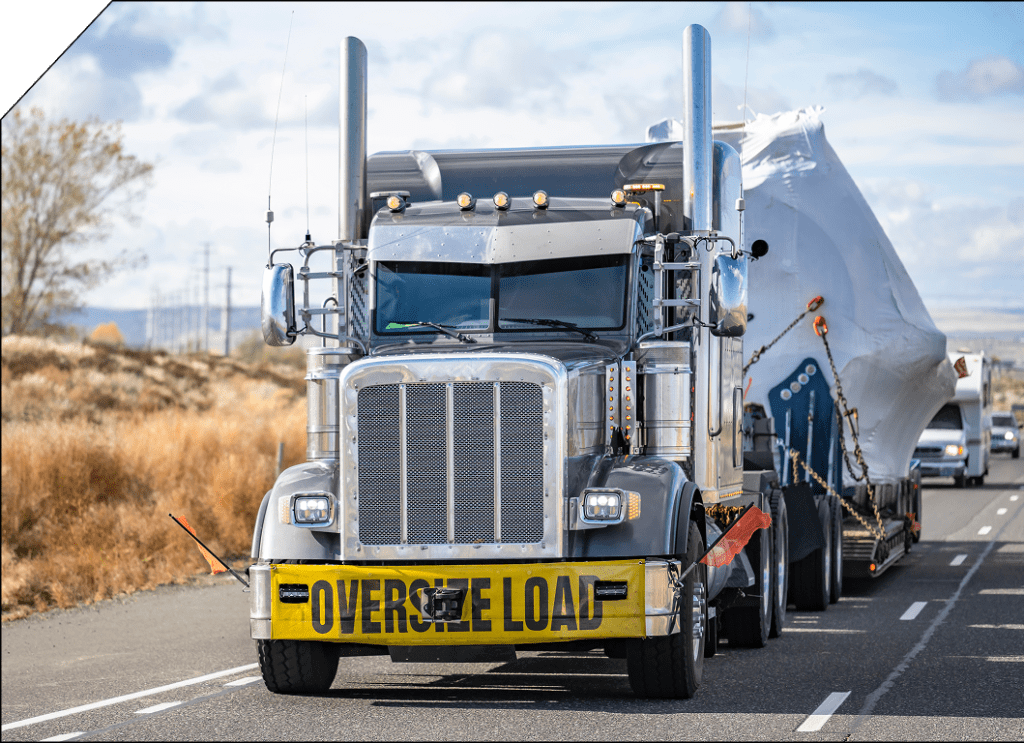

When an oversized load is scheduled for transport, the focus often stays on distance, deadlines, and delivery. The quote looks clear, the route appears straightforward, and everything seems under control. Then compliance requirements enter the picture. Permits, restricted travel hours, escort vehicles, and approved routes quietly change the scope of the shipment.
That is when many businesses begin to feel the pressure. Costs that were not obvious at the start start to build, stretching budgets and tightening timelines. This article breaks down those hidden compliance expenses, explains why they occur, and shows how to prevent them so your next oversized shipment stays predictable and cost-efficient.
Permit Fees You Don’t See in the Initial Quote
At first glance, an oversized freight quote can feel clear and predictable. The rate is outlined, the pickup date is set, and the route seems manageable. What often comes later is the realization that permit costs are calculated separately. Because oversized loads must comply with state regulations, additional fees are introduced once the shipment details are reviewed.
Several factors influence those permit expenses:
- Separate permits are required for each state through which the load travels
- Fees vary based on width, height, weight, and axle configuration
- Certain routes require specific permit approvals
- Route changes may require permit amendments
- Expedited processing can add additional charges
None of these costs is unusual; they are standard parts of legal oversized transport. The challenge is that they are not always visible at the quoting stage. When identified early and planned properly, these fees remain manageable instead of becoming unexpected additions to your freight budget.
Why Approved Routes Can Add Miles, Time, and Fuel Costs
On a map, the journey between pickup and delivery may look straightforward. A glance suggests the fastest highway, the shortest distance, and a clear timeline. But once a shipment qualifies as oversized, that flexibility narrows.
When the Shortest Route Isn’t an Option
Oversized permits often specify the exact roads a load must follow. Drivers cannot simply adjust the route to save time or avoid traffic. Certain highways, city streets, or interchanges may be off-limits due to safety or infrastructure limits. As a result, the approved path may add extra miles that were not part of the original expectation.
Height and Weight Limits Change the Plan
Low bridges and weight-restricted roads can quietly reshape the journey. A load that exceeds standard limits may need to bypass certain overpasses or avoid specific crossings altogether. Even small detours add up over distance, increasing fuel use and driving time.
Travel Windows That Stretch the Timeline
Some oversized loads are limited to daylight-only movement. Others cannot travel during major holidays or peak traffic periods. That can mean scheduled stops, overnight holds, or slight delivery shifts. While these rules support safety, they also extend transit time and keep equipment on the road longer.
How Safety Requirements Add to the Real Cost of Oversized Shipping
Beyond permits and routing, oversized loads must meet specific safety rules. These requirements protect the public and roadway infrastructure. These same requirements also introduce additional coordination and expense that may not appear in the original freight quote.
When Pilot or Escort Vehicles Are Required
Many states require escort vehicles once a load exceeds certain width, height, or length limits. Depending on the size and state regulations, one escort may be required or both a front and rear escort. Escort services are typically billed by the mile or by the trip. Their schedules must align with the truck’s movement and state entry times, which increases planning effort and overall expense.
Required Signage, Flags, and Lighting
Oversized shipments must display proper warning devices such as oversize load banners, safety flags, and amber warning lights when required by state law. Requirements vary by jurisdiction and by load dimensions. Equipment must meet state standards before departure to prevent inspection delays or enforcement action.
State-to-State Safety Variations
Escort thresholds and equipment rules vary by state. A shipment that crosses multiple jurisdictions must comply with each state’s individual standards. This requires advanced coordination to confirm the correct number of escorts and proper safety equipment before entering a new state.
Safety rules reduce risk and support lawful highway transport. At the same time, additional vehicles, equipment, and coordination requirements increase the total cost of moving oversized freight.
How Small Compliance Mistakes Lead to Costly Delays
Even with permits approved and safety measures in place, small compliance mistakes can still disrupt an oversized shipment. These issues are often unintentional. A minor detail in paperwork or a mismatch in documentation can stop a load that is otherwise ready to move.
Permit Details That Do Not Match the Load
Permit information must reflect the exact dimensions, weight, and axle configuration of the shipment. If the declared measurements do not match the actual load, enforcement officers may place the truck out of service until the issue is corrected. Even small discrepancies can require permit revisions, which take time and may involve additional administrative fees.
Roadside Inspections and Temporary Holds
Oversized loads are subject to inspection during transit. Officers may review permits, confirm dimensions, and verify that all required documents are in order. If something does not align with the approved permit, the vehicle may be required to stop until clarification or correction is completed. During that time, driver hours continue, delivery schedules shift, and equipment remains idle.
Fines, Shutdowns, and Re-Permitting Costs
Non-compliance can result in monetary penalties, depending on the violation and state regulations. In some cases, a new or corrected permit must be issued before the load can continue. That process may require updated paperwork and added fees. Beyond the direct cost of fines, delays can affect project timelines and increase overall transport expenses.
How Early Compliance Planning Protects Your Budget
Many compliance-related costs do not arise from the regulations themselves. They appear when key shipment details are confirmed too late in the process. Oversized freight depends on precise measurements and accurate documentation. A small oversight at the beginning can lead to additional fees or schedule adjustments once the shipment is already underway.
Many of these expenses are preventable. Careful preparation before dispatch helps keep costs predictable.
Practical steps such as these can reduce risk:
- Confirm exact load dimensions and axle configuration before booking
- Submit permit applications with accurate information and sufficient lead time
- Review approved routes before finalizing pickup schedules
- Maintain clear communication between your team and the carrier
When these elements are aligned early, compliance becomes easier to manage. Experienced carriers such as Bear Down Logistics emphasize advance coordination because early preparation reduces the likelihood of re-permitting, delays, and avoidable administrative costs.
Restoring Cost Predictability to Oversized Freight
Oversized freight involves strict regulations, but unexpected costs often result from late planning and incomplete coordination. Accurate measurements, timely permit filings, and route verification reduce financial uncertainty. Businesses that rely on professional heavy hauling services often benefit from structured planning that keeps compliance aligned from the start. When addressed early and thoroughly, shipments move with greater stability, and budgets remain far more predictable.