
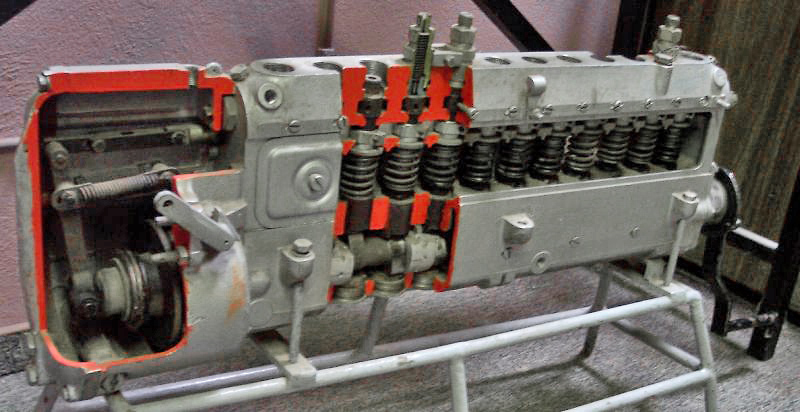

Your diesel injection pump is the heart of your fuel system. It pressurizes fuel and delivers precise amounts to each injector at exactly the right moment, making it one of the hardest-working components in the entire engine. When it starts to fail, it rarely happens without warning. The key is knowing what to look for before the problem leaves you stranded on the side of the road or facing a much costlier repair bill.
Let’s walk through the early warning signs to watch for so you can catch a failing injection pump before it becomes a major headache.
What Does a Diesel Injection Pump Actually Do?
Before exploring the symptoms of failure, it helps to establish why this specific component dictates overall engine health. The injection pump essentially acts as the command center for fuel delivery. It draws fuel from the tank, pressurizes it to an extremely high level (sometimes exceeding 30,000 psi in modern common rail systems), and delivers it to the injectors in precisely timed, microscopic bursts.
Modern diesel performance requires flawless accuracy to maintain power and fuel economy. When internal wear compromises that pressure or timing, the fuel fails to atomize correctly, leading to an immediate and noticeable drop in performance.
7 Warning Signs Your Diesel Injection Pump Needs Replacement
Catching these symptoms early can mean the difference between a straightforward pump replacement and a far more expensive engine repair. Here is what to watch for.
1. Hard Starting or Failure to Start
One of the earliest and most common symptoms of a failing injection pump is difficulty starting the engine. If your diesel used to start reliably on the first crank and now requires multiple attempts, especially when the engine is cold, the pump may not be building adequate pressure to initiate combustion.
Don’t confuse this with glow plug issues. If your glow plugs check out fine, the injection pump is a strong next suspect.
2. Engine Misfires or Rough Idle
A healthy diesel idles smoothly and steadily. If you’re noticing shaking, uneven idling, or a rough, loping feel at low RPM, it could indicate that the pump isn’t delivering consistent fuel quantities to all cylinders. This is particularly pronounced when the engine is under light load or sitting still.
3. Loss of Power Under Load
Does your truck or equipment feel sluggish when pulling a load, climbing a grade, or accelerating? A worn injection pump often can’t maintain the pressure required for full-throttle demand. You may notice the engine struggling to respond the way it once did, even with the throttle fully engaged.
4. Excessive Black or White Smoke
Abnormal exhaust smoke is always worth investigating:
- Black smoke often indicates too much fuel or incomplete combustion, which can occur when the injection pump’s timing or delivery is off.
- White or gray smoke, particularly on startup, can indicate fuel entering the combustion chamber at the wrong time or in the wrong quantities.
While smoke can have multiple causes, a malfunctioning injection pump is frequently the root of the problem.
5. Fuel Leaks Around the Pump
Physically inspect the pump itself. Diesel injection pumps have seals, O-rings, and fittings that degrade over time. If you notice wet spots, fuel residue, or a diesel smell in the engine bay around the pump, it’s a clear indicator that the pump’s integrity is compromised. Even a small leak can worsen rapidly and pose a safety hazard.
6. Engine Stalling or Cutting Out
A pump that’s failing under load may cause the engine to stall unexpectedly. This is especially risky in commercial vehicles or heavy equipment where an engine dying mid-operation can be dangerous. If your diesel stalls while driving at speed or under load and then restarts after a few minutes of cooling, the pump may be struggling with heat buildup or internal pressure loss.
7. Unusual Noise From the Pump
Injection pumps generally operate quietly. A knocking, whining, or rattling sound originating from the pump area, rather than the top end of the engine, is worth taking seriously. Internal wear, cavitation, or debris contamination can all cause these sounds and typically signal significant mechanical degradation.
What Causes Injection Pump Failure?
Understanding the causes can help prevent premature failure going forward:
- Contaminated fuel: Water, dirt, or debris in diesel fuel is a leading cause of pump wear. The internal components operate with incredibly tight tolerances, and even microscopic particles can accelerate wear.
- Running low on fuel: The fuel itself lubricates many pump components. Running the pump close to empty repeatedly stresses it and can introduce air into the system.
- Age and high mileage: Like any mechanical component, injection pumps wear out over time, particularly in high-cycle applications like long-haul trucking or heavy equipment.
- Incorrect fuel additives: Using additives not suited for your system can degrade seals and alter the pump’s internal chemistry.
Should You Repair or Replace?
In many cases, the answer comes down to cost, pump age, and the severity of the failure. Minor seal leaks may be repairable, but a pump with significant internal wear, including scored bores, damaged plungers, or a worn delivery valve, is generally more economical to replace than rebuild.
When it’s time to source a replacement, quality matters. A remanufactured pump from a reputable supplier can be a cost-effective alternative to a brand new unit, provided it meets OEM specifications and has been properly inspected and tested.
For those sourcing diesel fuel injection pumps, Goldfarb & Associates carries an extensive inventory of new, used, and remanufactured fuel injection pumps spanning a wide range of diesel engine applications, from automotive and agricultural to industrial and marine. Their catalog covers major manufacturers, including Bosch, Stanadyne, Denso, and Delphi, making it a solid starting point whether you’re replacing a pump on a Cummins, Caterpillar, John Deere, or any number of other engines.
Don’t Overlook the Fuel Injectors
It’s also worth noting that the injection pump and fuel injectors work as a closely connected system. If your pump has been running in a degraded state for some time, the injectors may have become contaminated or worn as well. When replacing the pump, it’s always a good idea to have your injectors inspected, or at minimum, fit new nozzles, to ensure you’re starting fresh with a fully optimized fuel delivery system.
Act on the Warning Signs Before Your Pump Fails Completely
A diesel injection pump doesn’t fail overnight. The warning signs, including hard starts, rough idle, smoke, power loss, leaks, and noise, usually show up well before a complete failure. The sooner you catch these symptoms and address them, the better your chances of avoiding a roadside breakdown or a more extensive engine repair.
If you’re unsure whether your pump is the culprit, a qualified diesel technician can perform a pressure test and diagnostic check to give you a clear answer. And when it’s time to source the part, make sure you’re buying from a supplier with the inventory depth and quality standards to back it up.