
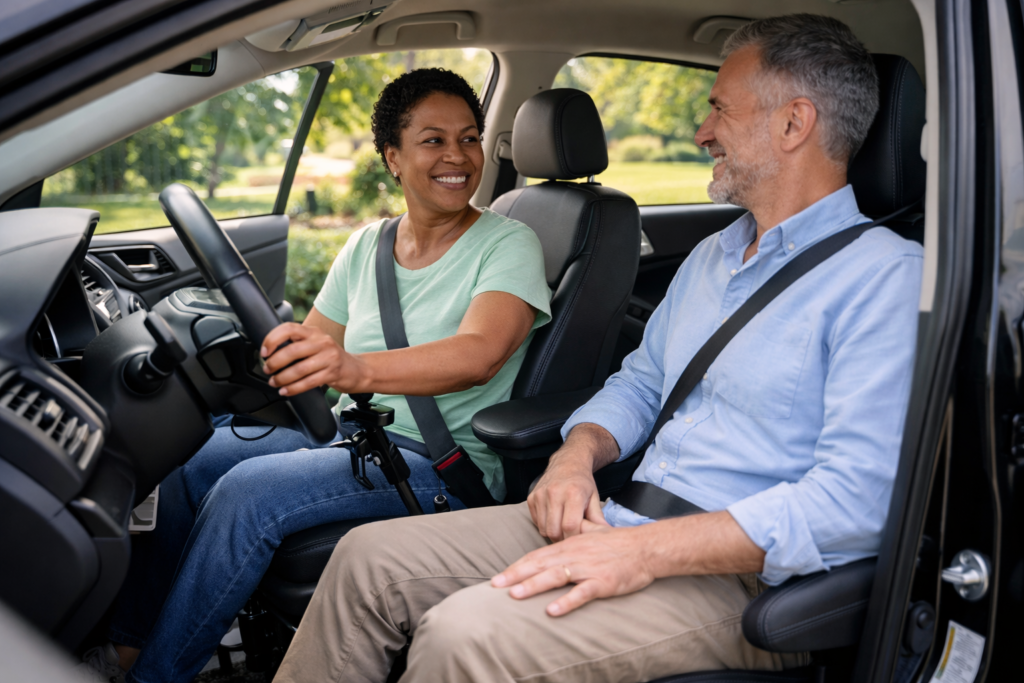

Driving represents freedom, independence, and control over daily life. For many individuals, the ability to drive safely and comfortably plays a significant role in maintaining routines, employment, and social connections. When vehicles are adapted to meet specific mobility needs, driving becomes more accessible and confidence behind the wheel increases.
For drivers with limited lower limb mobility, operating a standard vehicle can present challenges. The use of hand controls for disabled drivers allows essential driving functions to be managed through upper body movement, enabling individuals to maintain full control of the vehicle while driving safely and independently. This adaptation can make everyday travel more manageable and less physically demanding.
Understanding the Importance of Driving Accessibility
Driving accessibility extends beyond convenience. It directly affects independence, confidence, and participation in daily life. When individuals are unable to drive comfortably, they may rely heavily on others, which can impact emotional wellbeing and limit flexibility.
Accessible driving solutions help bridge this gap by allowing individuals to manage transportation on their own terms. This independence supports personal autonomy and encourages continued engagement in work, family, and community activities.
Supporting Confidence Behind the Wheel
Confidence is a critical factor in safe driving. When vehicle controls align with a driver’s physical needs, it reduces anxiety and hesitation. Drivers can focus on the road rather than compensating for discomfort or limitations.
Reliable adaptations provide reassurance, helping drivers feel secure and in control during both short trips and longer journeys.
Comfort as a Key Factor in Driving Experience
Comfort plays an important role in long term driving usability. Poor seating positions or difficult transfers can cause discomfort and fatigue, limiting how often or how long individuals can drive.
Thoughtful vehicle adaptations prioritize comfort by improving posture, reducing strain, and making entry and exit easier. This attention to comfort allows individuals to drive more consistently and confidently.
Reducing Physical Strain During Travel
Reducing strain helps drivers conserve energy and remain alert. When physical effort is minimized, driving becomes less tiring and more enjoyable.
This reduction in strain supports safer driving and encourages individuals to remain active and mobile.
Adapting Vehicles to Individual Needs
No two drivers have the same mobility requirements. Vehicle adaptations should be selected based on individual needs, lifestyle, and driving habits. Personalized solutions ensure that modifications feel intuitive rather than restrictive.
Adaptability is also important as needs may change over time. Vehicles that can be adjusted or upgraded help maintain long term usability and comfort.
Encouraging Independent Travel
When vehicles are adapted appropriately, drivers can travel independently without relying on assistance. This independence supports confidence and promotes a sense of normalcy in daily life.
Independent travel allows individuals to maintain routines, manage responsibilities, and stay socially connected.
Accessibility Beyond Driving Controls
Accessibility involves more than operating the vehicle. Entry, exit, and seating arrangements also affect the overall driving experience. Difficulty getting in or out of a vehicle can discourage independent travel.
Thoughtful vehicle design addresses these challenges by focusing on ease of access and smooth transitions, ensuring the entire driving process feels manageable.
Creating a Seamless Driving Experience
A seamless experience reduces stress and hesitation. When every step of driving feels accessible, individuals can focus on the journey rather than the effort involved.
This consistency supports confidence and long term independence.
Supporting Easier Entry and Exit
Vehicle access solutions play a crucial role in overall comfort. For many drivers, transferring into the driver’s seat is one of the most challenging aspects of driving.
In this context, a swivel car seat in uae can provide valuable support by allowing smoother and safer transfers. This feature helps reduce strain during entry and exit, making driving more accessible and comfortable for individuals with mobility limitations.
Long Term Benefits of Vehicle Accessibility
Accessible vehicle modifications offer benefits that extend beyond immediate convenience. They support sustained independence, confidence, and participation in daily life.
By enabling individuals to drive comfortably and safely, these adaptations contribute to emotional wellbeing and a more active lifestyle.
Maintaining Mobility Over Time
As physical needs evolve, accessible vehicles help individuals continue driving without major disruptions. This continuity supports long term independence and peace of mind.
Reliable vehicle adaptations ensure that mobility remains a source of freedom rather than limitation.
Conclusion
Enhancing driving confidence through accessible vehicle modifications allows individuals to maintain independence and control over their daily lives. By addressing comfort, usability, and accessibility, these solutions make driving safer and more manageable.
When vehicles are adapted to individual needs, they empower drivers to remain active, engaged, and confident. Thoughtful vehicle modifications create opportunities for independence and help ensure that driving continues to be a positive and accessible experience.