
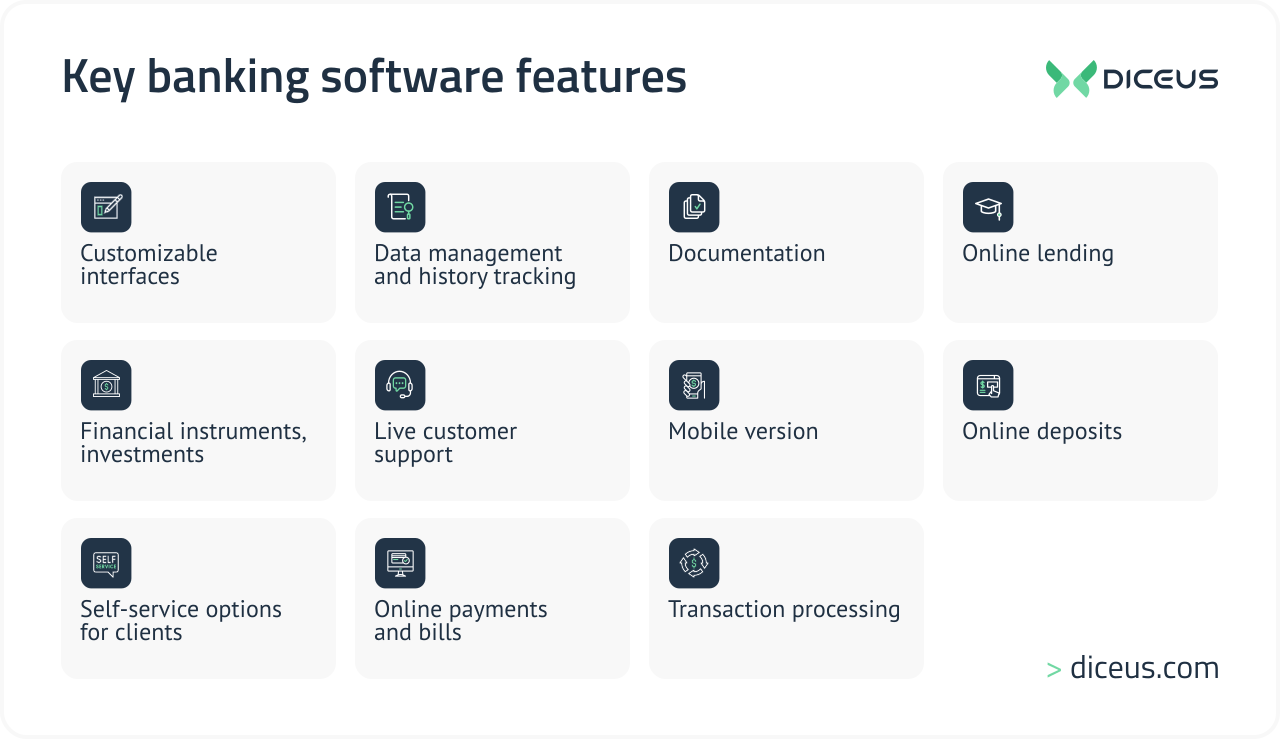

The banking industry is undergoing a massive digital transformation. Traditional systems are being replaced by cloud-based platforms, AI-driven analytics, mobile banking applications, and automated compliance tools. In this rapidly evolving landscape, selecting the right banking software companies has become one of the most important decisions for financial institutions and fintech startups alike.
Whether you are modernizing legacy infrastructure or launching a new digital banking product, the development partner you choose will directly impact your security, scalability, compliance, and long-term growth.
This comprehensive guide explains what top banking software providers offer, how to evaluate them, and how to choose the best one for your project.
Why Banking Software Is Critical in Today’s Financial Ecosystem
Modern banking customers expect:
- Instant digital payments
- 24/7 mobile access
- Personalized financial dashboards
- Seamless integrations
- Strong security protection
To meet these expectations, financial institutions rely on advanced software systems that manage:
- Core banking operations
- Customer data
- Transaction processing
- Fraud detection
- Regulatory compliance
<u>Any technical weakness can damage customer trust and brand reputation.</u>
This is why choosing among professional banking software companies requires careful evaluation and strategic planning.
Core Services Offered by Banking Software Companies
Leading banking software providers offer specialized fintech services that go far beyond basic app development.
1. Core Banking System Development
Core banking systems manage fundamental banking operations such as:
- Account management
- Deposits and withdrawals
- Transaction processing
- Reporting
A robust core system ensures stability and uninterrupted service.
2. Digital and Mobile Banking Solutions
Mobile banking has become a primary channel for customers. Development companies build:
- Secure mobile apps (iOS & Android)
- Web-based internet banking platforms
- Biometric authentication systems
- Real-time notifications
User experience and security must go hand in hand.
3. Payment and Transaction Systems
Modern payment platforms require:
- Multi-currency support
- API integrations
- Secure processing
- Real-time settlement
The right partner ensures performance without compromising security.
4. Compliance and Risk Management Software
Financial regulations are strict and constantly evolving. Software must comply with:
- AML (Anti-Money Laundering)
- KYC (Know Your Customer)
- PCI DSS standards
- Data privacy laws
Experienced banking software companies understand regulatory frameworks and build systems accordingly.
5. Cloud Migration and Infrastructure Modernization
Banks increasingly move from legacy systems to cloud-based infrastructure for:
- Scalability
- Cost optimization
- Disaster recovery
- Faster innovation
Cloud-ready architecture ensures future-proof performance.
How to Evaluate Banking Software Companies
Choosing the right provider requires more than reviewing a website. Below are essential evaluation criteria.
1. Industry Experience and Domain Knowledge
Financial software development demands specialized knowledge. Look for companies with:
- Proven fintech portfolios
- Real banking case studies
- Experience with regulatory compliance
- Demonstrated success in large-scale projects
For example, curated resources like
https://itexus.com/top-banking-software-development-companies/
can help businesses compare experienced providers in the financial technology sector.
Domain expertise reduces risk and accelerates development.
2. Technology Stack and Scalability
A reliable partner should clearly explain its technology stack.
| Layer | Technologies Commonly Used |
| Frontend | React, Angular, Flutter |
| Backend | Java, Python, .NET |
| Database | PostgreSQL, MySQL |
| Cloud | AWS, Azure |
| Security | SSL/TLS, MFA, Encryption |
<u>Technology decisions today affect performance for years.</u>
Scalability should be built into the system from the beginning.
3. Security Standards
Security is non-negotiable in banking software.
Essential security measures include:
- End-to-end encryption
- Multi-factor authentication
- Secure APIs
- Regular penetration testing
- Continuous monitoring
A strong security framework protects both customers and institutions.
4. Communication and Project Management
Complex financial systems require clear collaboration.
Look for companies that follow:
- Agile methodology
- Sprint-based development
- Transparent milestone reporting
- Dedicated project managers
Effective communication reduces misunderstandings and ensures timely delivery.
5. Portfolio and Client Testimonials
Case studies reveal:
- Real-world challenges
- Technical solutions implemented
- Measurable outcomes
Example evaluation table:
| Project Type | Challenge | Result |
| Digital Wallet | Security concerns | 99.9% uptime achieved |
| Loan Platform | Slow manual processing | Automated approval workflow |
Consistent positive feedback across platforms strengthens credibility.
Pricing Models Used by Banking Software Companies
Cost structure varies depending on project size and scope.
| Pricing Model | Best For | Advantages | Limitations |
| Fixed Price | Defined scope | Budget clarity | Less flexibility |
| Hourly | Changing requirements | Adaptable | Variable cost |
| Dedicated Team | Long-term development | Full control | Higher commitment |
While price matters, long-term value and quality are more important than choosing the cheapest option.
Investing in secure and scalable systems prevents costly rework.
Post-Launch Support and Maintenance
Launching the software is only the first milestone.
Reliable banking software companies provide:
- Continuous monitoring
- Security updates
- Performance optimization
- Feature enhancements
- Regulatory updates
<u>Financial systems must evolve with market demands.</u>
Service Level Agreements (SLAs) ensure accountability and performance standards.
Common Mistakes to Avoid When Choosing a Development Partner
- Selecting based only on low price
- Ignoring compliance expertise
- Overlooking post-launch support
- Failing to review real case studies
- Not clarifying project scope
Avoiding these mistakes can save time, money, and reputation.
Future Trends in Banking Software Development
The future of digital banking includes:
- AI-powered fraud detection
- Open banking APIs
- Blockchain-based transactions
- Embedded finance solutions
- Hyper-personalized user experiences
Partnering with forward-thinking banking software companies ensures readiness for these innovations.
Conclusion: Making a Strategic Choice
The right banking software development partner can drive innovation, improve operational efficiency, and strengthen customer trust. On the other hand, a poorly chosen provider can lead to compliance issues, technical debt, and financial losses.
Final Checklist Before Choosing:
✔ Clear project objectives defined
✔ Proven fintech experience verified
✔ Strong security framework
✔ Transparent pricing model
✔ Scalable technology stack
✔ Reliable post-launch support
Digital banking is no longer a luxury — it is a necessity. By carefully evaluating banking software companies and selecting an experienced, trustworthy partner, financial institutions can build secure, scalable, and future-ready solutions.