
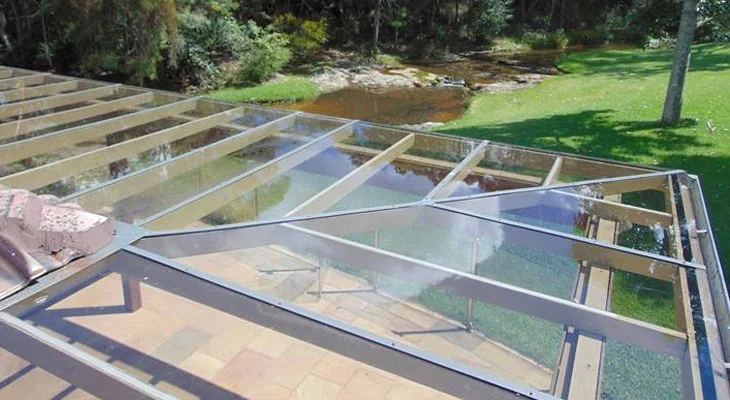

Introduction to Acryldach
When people talk about modern roofing options, the term acryldach often comes up as a reliable, durable, and visually appealing choice. The word itself comes from the combination of “acryl” (acrylic) and “dach” (roof), and it refers to roofing solutions made with acrylic materials—usually panels, sheets, or coatings designed to enhance weather protection and longevity. Over the past decade, acrylic roofing has gained massive popularity among homeowners, commercial builders, and architects for its balance of strength, clarity, and flexibility in design.
What sets acryldach apart from traditional roofing materials is its versatility. Acrylic roofing can be used in carports, patios, greenhouses, industrial sheds, skylights, and even modern architectural projects that demand both durability and aesthetics. The material is lightweight compared to glass, more resistant to impact compared to many plastics, and often holds up better under UV exposure. Because of these characteristics, acrylic roofs are often chosen when a project requires natural light without compromising protection.
Another major reason behind the popularity of acrylic roofing is its adaptability. Acryldach products come in various thicknesses, colors, tints, and textures. Whether someone needs a transparent cover that lets sunlight stream through or a tinted option that reduces glare and heat, acrylic roofing sheets can meet different needs without requiring entirely different product lines. This makes them easy to customize and simple to install.
Overall, the rise of acryldach reflects the growing demand for roofing solutions that balance practicality and design. As more people move toward energy-efficient, lightweight, and low-maintenance materials, acrylic roofing continues to be a top contender in both residential and commercial settings.
What Is Acryldach and How Does It Work?
At its core, acryldach refers to roofing systems that use acrylic panels or coatings. Acrylic is a type of plastic material derived from polymethyl methacrylate (PMMA). It is well-known for its exceptional clarity, toughness, and resistance to environmental conditions. When applied in roofing applications, acrylic becomes a powerful material that provides long-lasting protection while still allowing natural light transmission.
One key feature that makes acrylic roofing unique is its optical clarity. Unlike some opaque or semi-transparent roofing alternatives, acrylic sheets can be manufactured to allow up to 92% of light to pass through. This makes them ideal for spaces where brightness is essential—such as greenhouses, indoor gardening setups, pool covers, and atriums. Even when tinted, acrylic still maintains a high degree of clarity, which is why designers often prefer it over other translucent roofing materials.
Acrylic roofing also works by forming a protective barrier against harsh weather. The panels are engineered to withstand rain, hail, heavy winds, and long-term sun exposure. Acrylic is naturally UV-resistant, meaning it does not yellow or degrade as quickly as many other plastics. This stability is particularly important in sunny climates where roofs tend to deteriorate faster due to intense solar radiation.
In addition to its physical properties, acryldach systems are often designed for easy installation. The sheets are lightweight and can be cut into various shapes, making the installation process simpler than working with heavier materials like glass or metal. Some acrylic roofing systems even feature interlocking designs, reducing the need for advanced tools or complicated construction skills.
Ultimately, what makes acryldach effective is the combination of high performance and user-friendly installation. Whether used in a professional building project or a DIY home improvement project, acrylic roofing offers a consistently durable and aesthetically pleasing solution.
Benefits of Acryldach Roofing
The advantages of choosing acryldach are numerous, which explains why it continues to dominate modern roofing trends. One of the most significant benefits is durability. Acrylic is far more impact-resistant than glass, meaning it can withstand accidental hits, falling branches, or hailstorms without cracking easily. This is a huge advantage for outdoor structures that need reliable long-term protection.
Another major benefit is weather resistance. Acrylic roofs handle extreme temperatures well, retaining their shape and clarity even after prolonged exposure to heat or cold. Unlike some plastics that warp or discolor under the sun, acrylic maintains its appearance and structural integrity for many years. This long lifespan reduces the need for frequent replacements or repairs, ultimately saving money in maintenance.
The lightweight nature of acryldach is another selling point. Heavy roofing materials require stronger support structures, which increases construction costs. Acrylic, on the other hand, is easy to transport, handle, and install. It puts less stress on the overall building structure and simplifies the installation process, making it a practical option for both professionals and DIY enthusiasts.
Aesthetic flexibility also makes acrylic roofing popular. Homeowners and designers can choose from a wide range of options—clear, frosted, tinted, textured, or patterned—depending on the design vision. This customization allows roofing solutions to match various architectural styles, from minimalist modern homes to more elaborate traditional designs.
Finally, acryldach contributes to energy efficiency. Because acrylic roofing allows natural light to enter a space, it reduces the need for artificial lighting during the day. This not only lowers electricity consumption but also creates a more welcoming atmosphere inside the covered area. When tinted panels are used, they can also help reduce heat buildup, making indoor spaces more comfortable.
Types of Acryldach Roofing Solutions
Acryldach comes in several forms, each catering to different needs and environments. One of the most common types is the acrylic sheet roof. These sheets come in varying thicknesses and can be flat or corrugated. Flat sheets are ideal for skylights or modern roofing structures where clean lines are preferred. Corrugated sheets, on the other hand, offer enhanced strength and are often used in carports, patio covers, and industrial roofing where durability is essential.
Another type is acrylic multi-wall panels. These panels consist of several layers separated by air pockets, creating natural insulation. This makes them perfect for spaces requiring temperature control, such as greenhouses or sunrooms. The insulation provided by multi-wall panels reduces heat loss during colder months and prevents overheating during hot seasons.
Acrylic coatings also fall under the category of acryldach solutions. These coatings are applied over existing roofs to increase weather resistance and reflectivity. Acrylic roof coatings are especially popular for flat roofs on commercial buildings. They extend the lifespan of the roof and improve energy efficiency by reflecting sunlight away from the structure.
Tinted acrylic roofing is another widely used option. These tinted sheets reduce glare and control heat transmission, making them ideal for outdoor sitting areas, pergolas, and walkways. Tints are available in various hues—from bronze to grey to blue—allowing property owners to choose the level of shading and aesthetic they prefer.
Finally, there are acrylic impact-resistant sheets designed specifically for environments where the roof may be subjected to heavy impacts. These are thicker and stronger than standard sheets and are commonly used in regions prone to storms or heavy winds.
Installation Process and Considerations
Installing acryldach roofing is often simpler than installing heavier materials, but it still requires careful planning. The first step involves measuring the area that needs to be covered. Accurate measurements ensure that the acrylic panels fit perfectly without unnecessary gaps or overlaps. It’s also important to factor in expansion space, as acrylic can expand slightly under heat.
Choosing the right support structure is crucial for proper installation. While acrylic is lightweight, it still requires a sturdy framework—usually made of metal or treated wood—to ensure stability. The structure should be able to support the panels evenly and withstand environmental pressure such as wind loads.
Cutting acrylic sheets is relatively easy but must be done with the right tools to avoid cracking. Most professionals use fine-toothed saws or specialized plastic cutters. After cutting, the edges should be smoothed to prevent stress points that could lead to future cracks. Once the sheets are prepared, they can be secured in place using screws with rubber washers to prevent water leakage.
Proper sealing is another critical step. The seams between panels must be sealed with compatible sealants to prevent moisture infiltration. If installing corrugated sheets, overlapping the ridges correctly ensures proper water runoff. For flat sheets, precise sealing ensures that the roof remains watertight.
Ventilation should also be considered during installation. Like all plastic materials, acrylic can trap heat, so incorporating proper airflow mechanisms will keep the structure comfortable. Adding ridge vents or small ventilation gaps helps maintain steady airflow without compromising the roof’s protective ability.
Maintenance and Longevity of Acryldach
One of the biggest advantages of acrylic roofing is its low maintenance requirements. Despite this, maintaining acryldach properly can significantly extend its lifespan. Routine cleaning is the simplest and most effective maintenance step. Dust, debris, and pollen can accumulate on the surface, reducing clarity. Using mild soap and water with a soft cloth or sponge is enough to restore the acrylic’s shine.
Avoid using harsh chemicals or abrasive tools, as they can scratch or damage the surface. Acrylic is strong but not immune to scratches, so gentle cleaning goes a long way. For tougher stains, specialized acrylic cleaners can be used to maintain clarity without causing harm.
Regular inspections are also beneficial. Checking for cracks, loose screws, or worn seals helps identify issues early before they develop into significant problems. Fixing small issues promptly ensures that the roof remains watertight and structurally sound.
UV exposure is one factor that can affect many roofing materials, but acrylic holds up remarkably well under sunlight. Its UV-resistant properties prevent yellowing and degradation, contributing to its long lifespan. Many acrylic roofing systems can last 20 years or more when maintained properly.
During extreme weather seasons, it’s wise to inspect the roof more frequently. Strong winds, heavy snow, or hailstorms may cause minor damage that needs attention. Fortunately, most acrylic sheets are designed to withstand such conditions, but inspections provide peace of mind.
Acryldach vs. Other Roofing Materials
Comparing acryldach to other roofing materials reveals its unique advantages. For instance, glass roofing is often considered a premium option due to its clarity. However, glass is much heavier, more fragile, and more challenging to install. Acrylic offers the same level of transparency at a fraction of the weight and with far better impact resistance.
Metal roofing is another popular option, especially for industrial structures. While metal roofs are durable and long-lasting, they do not allow natural light to pass through. This limits their application in spaces where lighting and ambiance matter. Acrylic roofing, by contrast, offers a balance of strength and natural illumination.
Polycarbonate roofing is sometimes compared to acrylic because both materials are transparent plastics. Polycarbonate is stronger and more impact-resistant, but it is also more expensive and may yellow slightly over time. Acrylic provides excellent clarity, UV resistance, and an overall cost-effective solution for many applications.
Traditional roofing materials like asphalt shingles or tiles serve a completely different purpose and cannot match the aesthetics or lighting benefits of acrylic roofs. In areas where natural light improves usability—such as patios, pergolas, and greenhouses—acryldach remains unmatched.
In summary, acrylic roofing stands out for its clarity, weather resistance, light weight, and cost-effectiveness. While other materials may excel in certain areas, acryldach offers a well-rounded set of benefits suitable for numerous residential and commercial projects.
Applications of Acryldach in Modern Construction
Acryldach is widely used in various architectural projects due to its versatility. One of the most common applications is carports. Acrylic sheets provide excellent coverage while letting sunlight through, creating bright and visually appealing parking areas. They also protect vehicles from sun and rain without adding unnecessary weight to the structure.
Pergolas and patios also frequently feature acrylic roofing. Homeowners appreciate the ability to enjoy outdoor spaces regardless of weather conditions. Clear or lightly tinted acrylic panels create a comfortable and stylish environment without compromising natural light.
Greenhouses are another major application. Acrylic sheets offer the transparency required for plant growth while providing insulation and UV protection. Multi-wall acrylic panels are particularly suitable for greenhouse construction because they maintain stable internal temperatures.
Commercial buildings often use acrylic roofing for skylights and overhead canopies. Shopping malls, office buildings, and transport terminals benefit from the additional natural light, creating more inviting interior spaces. Acrylic’s durability ensures that these structures remain functional and attractive for years.
Sports facilities, walkways, pool areas, and bus shelters also use acryldach due to its weather resistance and clarity. Its ability to withstand heavy usage and constant exposure to outdoor conditions makes it a favorite among architects planning public or recreational spaces.
Conclusion
Acryldach has proven to be one of the most versatile and valuable roofing solutions available today. Its combination of transparency, durability, lightweight design, and aesthetic flexibility makes it an excellent choice for both residential and commercial applications. Whether used for patios, carports, greenhouses, or large architectural projects, acrylic roofing consistently delivers strong performance and long-term reliability.