
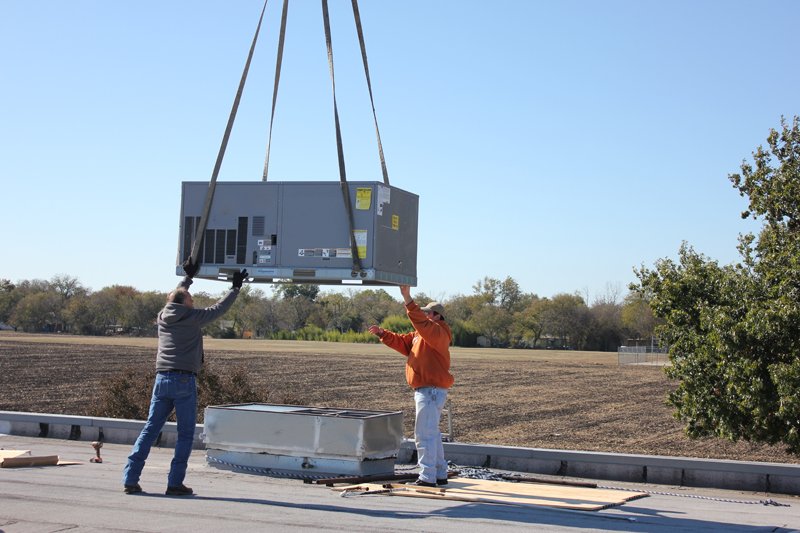

Replacing a heavy rooftop HVAC unit is a complex logistical dance that involves cranes, mechanical technicians, and significant physical stress on your building. While the focus is usually on air handlers and energy efficiency, the structural transition often leaves the roof vulnerable to moisture. If you want to ensure your building remains sealed after the heavy machinery leaves, bringing in a roof repair pocatello inspector to evaluate the area is the smartest move you can make. Neglecting the intersection of mechanical work and roofing integrity is a recipe for expensive interior water damage.
The Physical Strain of the Swap
Rooftop units are massive—sometimes weighing several tons—and that sheer bulk creates a serious structural strain. When a crane yanks an old unit off the curb, the roof deck literally “springs” upward from the sudden weight release, only to be slammed back down when the new model lands. This rapid flexing might seem minor, but it’s often the breaking point for an aging roof, snapping brittle flashing or pulling the membrane clean away from the mounting curb.
Beyond the weight, you have to deal with the chaos of the installation itself. Crews are usually focused entirely on complex electrical lines and refrigerant pipes. Where they’re stepping or shifting their gear is not at the forefront of their minds. It only takes one dropped metal panel or the constant pivoting of heavy work boots to create tiny punctures that stay hidden until the first big rainstorm hits. Things to watch out for are:
- Massive weight shifts and structural “rebound”
- Flexing that snaps aged, brittle flashing
- High-intensity foot traffic in localized areas
- Micro-punctures from tools and sharp metal panels
- HVAC mechanics prioritized over membrane integrity
The Curb Connection Crisis
The curb is the raised metal frame that acts as a pedestal for the HVAC unit. In a perfect world, the new unit would fit the old curb like a glove, but that is rarely the case. Manufacturers change their designs over the years, meaning the footprint of the new model often differs from the one it is replacing. To fix this, installers use curb adapters. These metal transitions add another layer of complexity and more joints that require sealing.
If the adapter is not flashed into the roof correctly, water will find its way under the unit and directly into the ductwork or the building interior. Most HVAC contractors use silicone or basic caulking to seal these gaps, but these materials are temporary fixes at best. A roofing professional understands that specialized membranes and hot-pipe flashing are required to withstand the expansion and contraction caused by the sun. Without professional roofing expertise, the curb becomes the primary entry point for leaks.
Vibration and Thermal Expansion
Once the new unit is powered on, it creates constant vibrations. If the unit was not leveled perfectly or if the mounting hardware is not dampened correctly, these vibrations travel through the curb and into the roofing system. Over time, this mechanical shaking acts like a slow-motion jackhammer on the surrounding seals. This is especially true in climates where the temperature swings wildly between day and night.
Thermal expansion causes the metal curb and the roofing membrane to grow and shrink at different rates. If the transition between the two is not flexible, the bond will eventually snap. This is why many buildings experience “phantom leaks” that only appear months after a unit has been replaced. The initial seal looked fine, but the mechanical stress of the unit running daily eventually tore the waterproofing layers apart.
Condensation and Drainage Issues
Newer HVAC units are often more efficient, but they also produce a significant amount of condensate. If the new unit is positioned slightly differently than the old one, the drainage lines might not align with the existing roof drains or scuppers. Many technicians simply let the condensate drain directly onto the roof surface. Constant standing water on a roof that was not designed for ponding will eventually dissolve the adhesives holding the seams together.
Properly managed drainage is just as important as the mechanical installation itself. When water is allowed to pool around the base of a brand new HVAC unit, it creates a stagnant environment that accelerates the degradation of the roofing material. This lead to rot in the insulation boards beneath the membrane, which can compromise the structural integrity of the entire roof section.
Final Word
Commercial property owners often view HVAC work and roofing work as two separate categories, but on the top of a building, they are inextricably linked. Every time a new unit is lowered onto a curb, the potential for a leak increases. Scheduling a visit from a roof repair pocatello inspector provides a bridge between these two trades and ensures that the mechanical team did not leave behind a porous mess. By verifying the integrity of the flashing and the drainage paths immediately after an installation, you can avoid the high costs of mold remediation and structural repairs down the road.