
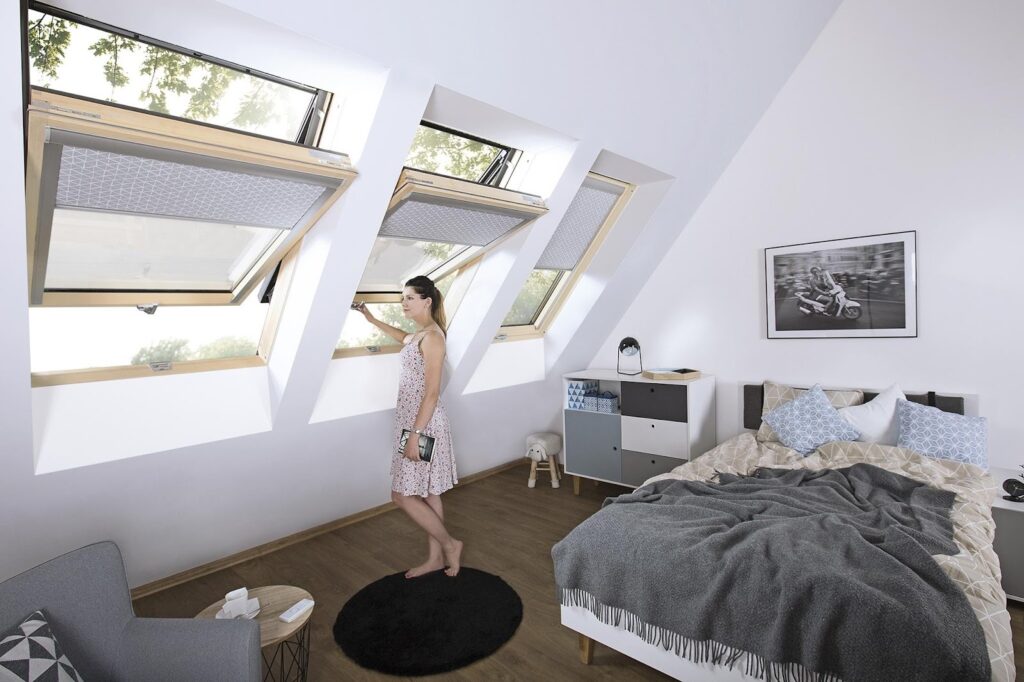

A loft conversion is one of the most effective ways to add space without extending your home’s footprint. But beyond extra metres and storage, the real transformation often comes from light. Many loft conversion ideas focus on layout first, yet it is daylight that ultimately defines how the room feels.
When done well, natural light in the attic can turn what was once a dim storage zone into a calm bedroom, studio, or workspace that feels genuinely connected to the outdoors.
Why Light Matters More in a Loft
Unlike lower floors, loft spaces depend heavily on roof glazing. Vertical windows are often limited or absent, which makes roof windows central to the design. Their size, position, and quality influence not just brightness, but the entire atmosphere of the space.
Morning light stretches across the floor, while evening light softens the space rather than abruptly darkening it.
Positioning for Maximum Daylight
Maximising daylight at loft level begins with understanding the roof itself. Orientation plays a role, as does slope and internal layout. South-facing glazing tends to provide steady brightness, while north-facing windows create softer, more even light. East-facing openings are often preferred in bedrooms where gentle morning light is welcome without excessive heat.
Placement height also matters. Units positioned slightly higher within the slope allow light to travel deeper into the room, helping the space feel more evenly illuminated rather than creating bright spots and shadowed corners.
Roof Windows vs. Traditional Dormers
When comparing options for a loft conversion, the differences become clearer when set side by side:
- Thermal Insulation: While Double Glazing offers standard heat retention, Triple Glazing provides superior insulation, significantly reducing heat loss and helping to lower your energy bills.
- Acoustics: If you live in a noisy area, Triple Glazing is the winner; it offers much better sound reduction compared to the basic noise insulation of Double Glazing.
- Internal Condensation: Double Glazing is more prone to condensation on the inner pane. Triple Glazing maintains a warmer internal glass temperature, which virtually eliminates the risk of indoor condensation.
- Cost: Double Glazing remains the more budget-friendly and common choice. Triple Glazing requires a higher initial investment, though it offers better long-term performance and efficiency.
- Weight & Installation: Because of the extra pane of glass, Triple Glazing is noticeably heavier, which may require a more robust frame or specific installation considerations compared to the lighter Double Glazing.
Dormers increase usable floor space, but for homeowners prioritising natural light in the attic, glazing installed within the roof slope is often more cost-effective, faster, and delivers better daylight performance. You can explore available options and specifications here: https://www.fakro.co.uk/roof_windows/
Choosing High-Quality Glazing
Not all roof windows perform in the same way. Glazing quality affects insulation, condensation control, and overall comfort. A lower U-value helps maintain stable indoor temperatures, particularly in winter. Good sealing reduces the risk of drafts. High light transmission ensures that increased glazing does not mean increased glare.
The aim is balance. More light should not lead to overheating in summer or heat loss in colder months. With the right specification, the room stays bright without compromising comfort in colder or warmer months.
Integrating Light with Layout
Successful loft conversion ideas treat windows as part of the spatial composition rather than an afterthought. Positioning glazing above key areas such as beds, desks, or seating helps anchor the design. Light becomes directional rather than random.
Multiple smaller openings can distribute brightness evenly, while larger units create a stronger visual connection to the sky. The decision depends on how the loft will be used and how open the space already feels.
Ventilation and Everyday Comfort
Light alone is not enough. Ventilation and temperature control matter just as much. Well-designed roof windows help limit summer overheating and reduce condensation in winter, while blinds allow light levels to be adjusted as needed.
Creating a brighter loft is not about adding more openings, but about positioning quality glazing thoughtfully and ensuring it performs well throughout the year. With the right balance, a loft conversion becomes not just additional space, but one of the most inviting areas of the home.