
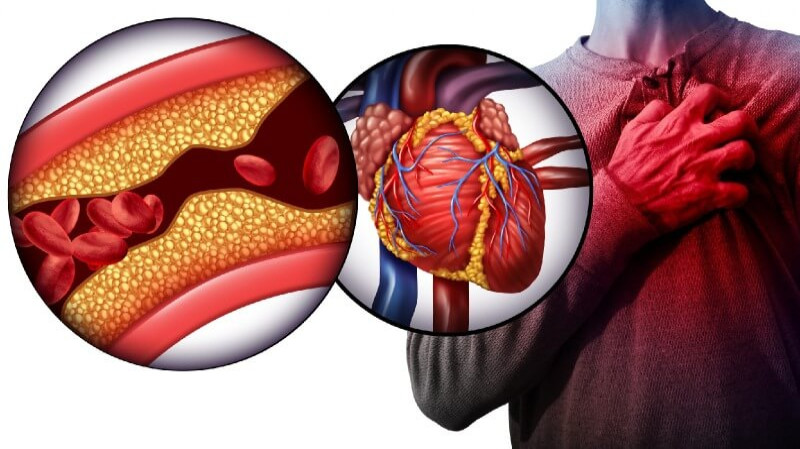

Oral health and heart health may seem unrelated, but research suggests a strong connection. Gum infections can allow harmful bacteria to enter the bloodstream and trigger inflammation, which may affect blood vessels and increase the risk of cardiovascular problems.
Many people pay attention to cavities and tooth pain but often overlook gum health, even though untreated gum disease may affect the body beyond the mouth. This blog explains the link between oral health and heart disease, the signs you should watch for, and simple ways to keep both your mouth and heart healthier.
Why the Mouth May Reveal Early Signs of Heart Health Problems
Oral health and heart health are more closely connected than many expect. Gum infections allow harmful bacteria to enter the bloodstream. These bacteria can trigger inflammation in blood vessels, which has been associated with a higher risk of heart disease and stroke.
Gum disease often begins quietly. Early symptoms may include mild swelling or bleeding during brushing, which can seem easy to ignore. When this condition remains untreated, bacteria and inflammation may spread beyond the mouth, affecting overall health.
The connection often remains unnoticed for several reasons:
- Early gum disease may cause few noticeable symptoms
- Attention often stays on tooth pain or cavities instead of gum health
- Dental care and general health care often remain separate
Because of this growing evidence, dentists now discuss oral health as part of overall health. Dental teams, including those at Clean Smiles Dental Clinic, often emphasize the importance of gum health in supporting overall well-being.
How Gum Infections Can Trigger Inflammation in the Heart and Blood Vessels
Gum disease, or periodontitis, is a bacterial infection affecting the tissues that support teeth. Inflamed gums may bleed easily, allowing bacteria to enter the bloodstream and trigger inflammation that may influence blood vessels.
This process may affect the heart and blood vessels in several ways:
- Bacteria reaching blood vessels: Oral bacteria that enter the bloodstream may contribute to inflammatory changes in blood vessels.
- Inflammation in the arteries: Persistent inflammation may contribute to plaque buildup inside artery walls.
- Irritation of blood vessel lining: Ongoing inflammatory responses may affect the delicate lining of blood vessels.
- Increased cardiovascular risk: These changes may raise the likelihood of heart disease or stroke over time.
Harmful bacteria and ongoing inflammation can place additional stress on the cardiovascular system. Healthy gums help limit bacterial spread and reduce inflammation, supporting overall health and protecting the heart and blood vessels.
Shared Risk Factors That Increase the Chances of Both Gum Disease and Heart Disease
Gum disease and heart disease do not always appear together because one directly causes the other. In many cases, the two conditions share common lifestyle and health risk factors. These factors can affect both oral and cardiovascular health at the same time.
Smoking and Tobacco Use
Smoking is one of the strongest shared risk factors. Tobacco weakens the immune system and reduces the body’s ability to fight gum infections. At the same time, smoking damages blood vessels and increases the risk of cardiovascular disease.
Diabetes and Chronic Inflammation
Diabetes can make it harder for the body to fight infections, including gum infections. High blood sugar can also affect blood vessels and increase inflammation throughout the body, which may influence both oral health and heart health.
Poor Diet and High Sugar Intake
A diet high in sugar can encourage plaque buildup around the teeth and gums. At the same time, unhealthy eating habits can contribute to obesity, high cholesterol, and other conditions that increase the risk of heart disease.
Limited Access to Dental Care
Regular dental visits help detect and treat gum problems early. Without consistent dental care, gum disease may progress unnoticed. Limited access to health and dental care has also been linked with higher risks of cardiovascular problems.
Aging and Lifestyle Factors
Age, physical inactivity, and other lifestyle habits can influence both oral and cardiovascular health. As people grow older, the risk of gum disease and heart disease tends to increase, especially when preventive care is limited.
When these risks remain unmanaged, they may increase inflammation in the body or weaken natural defence systems. Over time, this can create conditions that increase the likelihood of both gum infections and heart problems.
Oral Warning Signs That May Signal a Greater Risk to Your Overall Health
Oral health can reveal early signs of gum disease, a condition that affects the tissues supporting the teeth. Periodontal disease may develop slowly and sometimes shows only mild symptoms at first. When these early signs are ignored, gum infection and inflammation can progress, affecting overall oral health.
Several changes in the mouth may indicate that gum health needs attention.
- Bleeding Gums: Gums that bleed during brushing or flossing may signal inflammation in the gum tissue. Bleeding often appears during the early stage of gum disease, known as gingivitis. Healthy gums usually do not bleed during regular oral care.
- Persistent Bad Breath: Bad breath that persists even after brushing may indicate a bacterial buildup in the mouth. In some cases, persistent bad breath can be associated with gum infections linked to periodontal disease.
- Gum Recession: When gums begin to pull away from the teeth, the teeth may appear longer than usual. This change can expose sensitive tooth roots and may occur as gum disease affects the tissues that support the teeth.
- Swollen or Tender Gums: Red, swollen, or tender gums often appear when the body responds to bacteria along the gum line. This type of inflammation is a common sign of gum irritation or gum disease.
- Loose Teeth: Teeth that feel loose or shift slightly in position may indicate advanced gum disease. Infection can weaken the bone and tissues that support the teeth over time.
These symptoms often indicate periodontal disease, a chronic infection that affects gum tissues and the bone that supports the teeth.
Protecting Both Your Smile and Your Heart Through Better Oral Care
Healthy oral habits help control harmful bacteria and reduce gum inflammation. Because gum disease has been linked with cardiovascular risk, consistent oral care can support both gum health and heart health.
Daily Brushing and Flossing Habits
Brushing twice a day and flossing daily helps remove plaque, a sticky film that contains bacteria. When plaque stays on the teeth and gums, it can lead to tooth decay and gum disease. Consistent brushing and flossing help keep bacteria under control and protect gum health.
Professional Dental Cleanings
Regular dental cleanings remove plaque and tartar that brushing alone cannot remove. These visits also allow dental professionals to check for early signs of gum disease and treat problems before they become more serious.
Early Treatment of Gum Disease
Treating gum inflammation early can prevent the infection from progressing to more advanced periodontal disease. Early care helps reduce bacterial and inflammatory activity in the gums, which may help protect overall health.
Healthy Diet and Reduced Sugar Intake
A balanced diet supports both oral and heart health. Limiting sugary foods helps reduce plaque buildup in the mouth, while nutrient-rich foods support healthy gums and overall well-being.
Regular Dental Visits for Long-Term Health
Routine dental visits help monitor gum health and detect issues early. Preventive dental care plays an important role in maintaining a healthy mouth and supporting overall health throughout life.
When Professional Dental Care May Be Helpful
In some cases, gum inflammation or early signs of periodontal disease require professional attention. Periodontal care focuses on managing infection, reducing inflammation, and protecting the tissues that support teeth, which helps maintain long-term oral health.
Have you noticed small changes in your gums that might deserve closer attention?