

Introduction
In the complex world of personal finance, understanding your credit profile is crucial for obtaining loans, mortgages, and favorable credit terms. One significant factor that can influence your credit score is the concept of tradelines. Tradelines are often referenced in discussions about credit improvement, with many seeking to leverage them to achieve better financial outcomes. This article aims to delve into what tradelines are, how they work, the benefits they offer, and how you can effectively use them to improve your credit profile. By gaining a comprehensive understanding, you can make informed decisions that can lead to enhanced creditworthiness and financial opportunities.
Tradelines include all the credit accounts listed on your credit report, reflecting your payment history, credit limits, account balances, and whether the accounts are in good standing. The importance of these accounts cannot be overstated, as they are integral to determining your credit score.
1. Understanding Tradelines
Tradelines, abbreviated from ‘trade lines,’ refer to the accounts that are reported to credit bureaus. These can include various forms of credit, such as credit cards, mortgages, car loans, and even some types of utility accounts. Each tradeline on your credit report contains critical information that lenders use to evaluate your creditworthiness:
- Account Type: The type of credit account influences your credit mix, which plays a role in your score.
- Open Date: The date the account was opened contributes to the length of your credit history, another important scoring factor.
- Credit Limit or Loan Amount: This shows your total available credit or the original amount borrowed.
- Current Balance: The balance indicates how much you owe on the account.
- Payment History: This is a record of your payment behavior, including on-time payments and any missed payments.
The credit scoring models primarily consider the payment history and credit utilization to form your credit score. By understanding how tradelines function, you can better appreciate their impact on your overall credit health.
2. The Role of Tradelines in Credit Scoring
Tradelines play a pivotal role in determining your credit score, which is calculated based on the following components:
- Payment History (35%): Your history of paying your debts on time is the most significant factor affecting your credit score. Each tradeline contributes to this aspect; late payments can severely damage your score, while a positive payment history enhances it.
- Credit Utilization (30%): This metric evaluates the ratio of your revolving credit balance to your available credit. Having multiple tradelines can help lower your utilization ratio if managed correctly.
- Length of Credit History (15%): The age of your credit accounts plays a vital role in your score. Longer average account ages typically enhance your creditworthiness.
- Types of Credit (10%): Having a mixed bag of credit types (installment loans, revolving credit) can positively affect your score.
- New Credit (10%): This includes the number of recently opened credit accounts and inquiries into your credit report.
Understanding these components allows you to leverage tradelines more effectively for credit improvement.
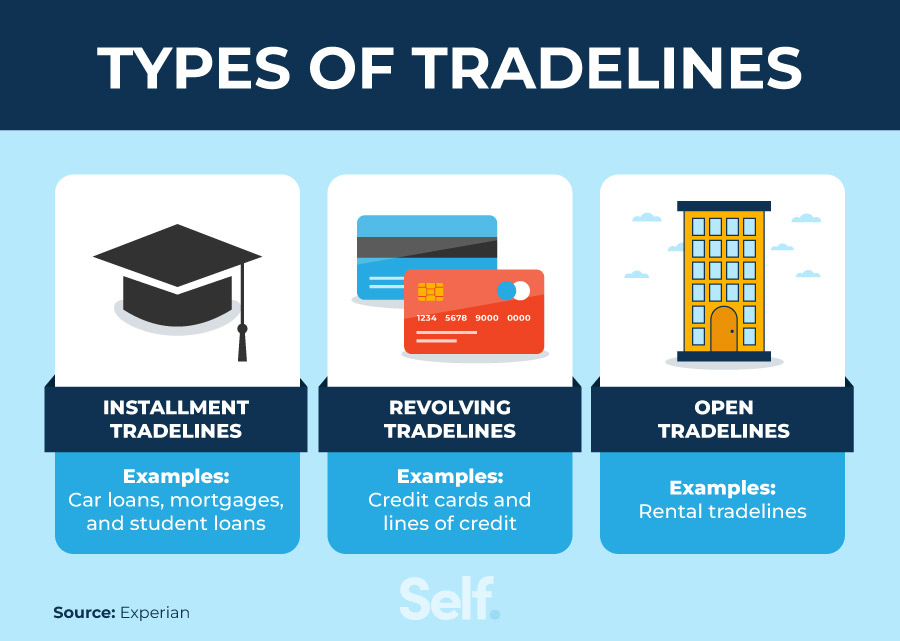
3. Types of Tradelines
Tradelines can be categorized into two main types:
Authorized User Tradelines
An authorized user account allows you to be added to someone else’s credit card account. This means the primary account holder’s payment history and credit utilization will be reflected in your credit report, as long as the lender reports it to credit bureaus. Benefits of being an authorized user include:
- Instant Improvement: By being connected to a responsible borrower’s account, your score can improve quickly, especially if their payment history is strong.
- No Risk: As an authorized user, you’re not responsible for making payments, limiting your financial liability.
Primary Tradelines
Primary tradelines are accounts that are solely in your name and for which you are financially responsible. Examples include:
- Credit Cards: Used for everyday purchases and typically reported monthly.
- Auto Loans: Doing well with an auto loan can positively influence your score.
- Mortgages: Home loans can help show long-term accountability if paid on time.
Having a mix of both authorized user and primary tradelines can provide a balanced approach to improving your credit score.
4. How Tradelines Can Improve Your Credit Profile
Tradelines can impact your credit profile in several ways:
Enhances Payment History
Adding a tradeline with a positive payment history can sway your score significantly. If you add an authorized user account from an individual who has consistently paid their bills on time, it can bolster your payment history.
Reduces Credit Utilization Ratio
If you add a tradeline with a high credit limit, you can lower your overall credit utilization ratio if you maintain low balances on your active accounts. This is one of the quickest methods to improve your score.
Demonstrates Diverse Credit Mix
Having a variety of credit accounts helps exhibit to lenders that you can responsibly manage different types of debt—a factor that influences your score positively. Tradelines provide this diversity when chosen wisely.
Builds Length of Credit History
The age of your accounts significantly affects your credit score. If you add older accounts as authorized user accounts, it raises your average account age, which can improve your credit profile.
Strengthens Overall Creditworthiness
Positive new tradelines signal responsible credit behavior, making you more attractive to lenders. This can lead to higher credit limits, lower interest rates, and better financial opportunities.
5. How to Acquire Tradelines
If you’re looking to acquire tradelines, consider the following methods:
Direct Purchase from Vendors
Many vendors specialize in offering tradelines for sale. While purchasing tradelines, ensure you:
- Choose reputable vendors.
- Verify the quality of the tradelines being offered.
- Understand their fees and the terms of the accounts.
Becoming an Authorized User
To become an authorized user, speak with family or friends who have good credit habits. Most people are willing to help if they trust you financially.
Credit Builder Programs
Many financial institutions offer programs aimed specifically at building credit. These often involve small loans or secured credit cards designed for those starting.
6. Risks and Considerations
While tradelines can significantly benefit your credit profile, there are risks to consider:
- Fraudulent Vendors: Beware of less reputable vendors who might sell low-quality or fake tradelines. Always conduct thorough research before making a purchase.
- Account Mismanagement: If you are added as an authorized user, poor management of that account can negatively affect your score.
- Potential Changes in Credit Reporting: Lenders aren’t required to report authorized user accounts. Some may choose not to, which means potential benefits may not materialize.
7. Frequently Asked Questions (FAQs)
1. How quickly can I see results from adding tradelines?
Results can vary, but many see improvements within a month if the tradelines are managed properly and reported by the issuer.
2. Will all tradelines positively impact my score?
Not necessarily. Negative payment histories or high balances on a tradeline can harm your score instead of helping it.
3. Can I remove authorized user accounts later?
Yes, most credit card issuers allow you to remove yourself as an authorized user at any time.
4. How long should I keep tradelines on my report?
As long as they remain positive, keeping them on your report can help maintain your credit score.
5. Can I purchase tradelines from any vendor?
It’s advisable only to work with established and reputable vendors to avoid scams.
Conclusion
Tradelines represent a powerful tool for anyone looking to improve their credit profile effectively. Whether through authorized user accounts or primary tradelines, understanding how to utilize these accounts can lead to a healthier credit score and better financial opportunities. By leveraging the benefits of tradelines while being mindful of the associated risks, you can set yourself on the path towards financial success and stability. Always approach the process with knowledge and caution to maximize your benefits while safeguarding your financial future.