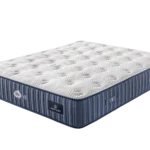


Selecting the right mattress is a significant investment in your health and well-being, as a good night’s sleep plays a crucial role in overall health. With the vast range of mattress options available, it’s easy to feel overwhelmed. From memory foam to innerspring, hybrids, and latex mattresses, each type has unique features to consider. The key to making a well-informed choice is to compare various mattress options meticulously before making a final decision.
Taking a systematic approach allows you to identify what is essential for your comfort and sleep position. It’s equally important to consider factors like firmness levels, material types, warranty, and return policies. Additionally, utilizing helpful features like the MND sleep trial can enhance your shopping experience.
This blog post will guide you through the best practices for comparing mattresses, ensuring you find the perfect fit for your sleep needs.
Understanding Mattress Types
Mattresses come in various types, each offering different levels of comfort and support. Knowledge of the different types will help to narrow down your options.
- Memory Foam Mattresses: These mattresses are known for their ability to conform to the body, providing excellent pressure relief. They are particularly suitable for side sleepers who need cushioning for their hips and shoulders.
- Innerspring Mattresses: Traditional and widely popular, innerspring mattresses offer bounce and support through coil systems. They are often cooler than foam options, making them ideal for hot sleepers.
- Hybrid Mattresses: Combining both foam and coils, hybrid mattresses deliver the benefits of both materials. They provide pressure relief while maintaining good support, suitable for various sleep positions.
- Latex Mattresses: Natural latex offers a bouncy feel and a breathable structure, making them excellent for those who desire eco-friendly options.
Understanding the pros and cons of each type will inform your comparison process significantly.
Evaluating Firmness Levels
Firmness is one of the most critical aspects of mattress comfort. It’s generally rated on a scale from 1 to 10, with 1 being very soft and 10 being extremely firm.
For side sleepers, a softer mattress is often preferable, as it allows for adequate shoulder and hip cushioning. Conversely, back and stomach sleepers may benefit from a medium to firmer mattress that supports spinal alignment without letting the hips sink too deeply.
When comparing firmness levels, take the time to test each mattress in-person if possible. Laying down on a series of mattresses can provide a feel for what you’re comfortable with. Many retailers also offer information about firmness ratings to help guide your decision.
Considering Material Quality
The materials used in a mattress can play a significant role in its longevity and comfort. Quality materials often last longer and provide better overall support.
- Foam Types: Look for high-density foam, as it generally lasts longer and supports better than lower-density options.
- Coil Counts: For innerspring mattresses, higher coil counts can signify better support and durability. Pay attention to the type of coils used as well—pocket springs offer individualized support.
- Natural Materials: If you’re environmentally conscious, consider mattresses made from organic cotton or natural latex. These materials often provide better breathability and reduce allergens.
Researching the quality of materials in different mattresses can help you determine which options offer the best value for money.
Understanding Return Policies and Warranties
When purchasing a mattress, it’s essential to pay attention to the return policy and warranty. These factors can save you money and hassle in the long run.
A good warranty typically ranges from 10 to 20 years, covering manufacturing defects and premature wear. Always read the warranty terms carefully to understand what is covered.
Return policies vary by retailer and may include trial periods that allow you to test the mattress for an extended time. This is particularly beneficial if you’re unsure which mattress will suit you best. For instance, the MND sleep trial typically allows you to sleep on the mattress for a specified period before deciding whether to keep it.
Ensure you understand the terms, including any costs associated with returns, to avoid unexpected expenses.
Utilizing Customer Reviews and Recommendations
Customer reviews and feedback are valuable resources when comparing mattress options. Reading about other people’s experiences can provide insights into comfort, durability, and customer service.
Look for reviews that mention how the mattress performed over time. Customers often describe how they felt after a few months of use, which can be more telling than an initial impression.
Additionally, seek out reviews on independent sites rather than just the product page to gain unbiased opinions. Recommendations from friends or family can also help guide you to reliable brands based on firsthand experience and satisfaction.
Making Use of Comparison Tools
Modern shoppers have various tools at their disposal to compare mattresses effectively. Online platforms and mattress comparison websites allow you to filter results based on crucial criteria like price, material, and customer ratings.
These tools can streamline your search, making it easy to spot the differences between models. You can often see apples-to-apples comparisons regarding features, pricing, and policies. Many retailers even provide interactive tools to help you match your preferred sleep style with compatible mattresses.
Using these comparison resources can simplify the decision-making process significantly, allowing you to focus on mattresses that meet your criteria.
FAQs
1. How do I know what mattress firmness level to choose?
Consider your sleeping position. Side sleepers generally prefer softer mattresses, while back and stomach sleepers benefit from firmer options.
2. What materials should I look for in a quality mattress?
High-density foams, pocket spring systems, and natural materials are often signs of quality. Research the durability of materials used in your selected models.
3. Are mattress warranties worth it?
Yes, warranties protect your investment. A longer warranty usually indicates confidence in the product’s durability.
4. How can I effectively utilize sleep trials?
Take advantage of the trial period to assess comfort and support in your environment. Make sure to read the return policy before purchasing.
5. Where can I find unbiased customer reviews?
Look for reviews on independent websites, forums, and social media. This offers a clearer perspective on the mattress quality over time.
Conclusion
Comparing mattress options doesn’t have to be an overwhelming experience. By understanding the different types of mattresses, evaluating firmness levels, and researching material quality, you can make an informed decision. Additionally, paying attention to return policies, warranties, and customer reviews will enhance your purchasing experience.
Utilizing comparison tools and utilizing resources like the MND sleep trial can provide added confidence in your choice. Ultimately, strategy, research, and a systematic approach can lead you to a mattress designed to improve your sleep quality and overall well-being. With a little time and effort, you’ll find the ideal mattress that fits your sleep style and budget.